Choux pastry is crafted through a classical French technique that combines just four simple ingredients—water, butter, flour, and eggs—into a delicate dough that puffs beautifully when baked. The process involves creating a cooked dough called panade, carefully incorporating eggs to achieve the perfect consistency, then piping and baking to develop the iconic hollow structure essential for éclairs and cream puffs.
The Essence of Choux Pastry: Simple Ingredients, Sophisticated Technique
Why Four Ingredients Matter
At first glance, choux pastry may seem humble—just water, butter, flour, and eggs. Yet, this simplicity belies the artistry required to transform these basic components into the ethereal éclairs and cream puffs that enchant our guests here at Éclair Affaire Weston. Each ingredient plays a specialized role in the final texture and structure.
- Water: The lifeblood of steam, water’s role is fundamental. As the dough bakes, water vaporizes, inflating the pastry like a delicate balloon and creating the classic hollow interior.
- Butter: Beyond richness and flavor, butter adds tenderness and coats the starch granules, modulating gluten development to keep the pastry light rather than tough.
- Flour: A high-quality, low-protein flour is preferred here, as it provides just the right amount of starch to gelatinize and bind without creating excessive gluten that would toughen the dough.
- Eggs: Eggs are the binding and leavening agents, imparting elasticity and moisture. Their quantity and incorporation method profoundly influence the dough’s ability to puff and maintain shape.
Every morning in our Weston kitchen, Sofia Chatzivasiloglou—our classically trained pastry chef and founder—begins her day with this intimate dance of ingredients, ensuring that each batch aligns with her exacting standards.
“With an average visit length between 30 minutes and 3.5 hours, our café is a beloved destination for those who savor moments as much as flavor.”
The Panade: The Crucial First Step
From Stovetop to Dough Ball
The panade is the foundational cooked dough that sets choux apart from other pastries. On the stovetop, water and butter are heated to a rolling boil, which rapidly melts the butter and creates an emulsion. At this moment, the flour is added all at once. The vigorous stirring that follows is critical—it cooks the flour’s starch and removes excess moisture.
As you stir, the mixture thickens and pulls away from the pan’s sides, forming a smooth, cohesive ball. This stage usually takes several minutes and requires constant attention to ensure the starches are properly gelatinized without scorching. The texture of the panade at this point is more dough than batter, dense yet pliable.
Local Tips: Adapting to South Florida Climate
In Weston and the surrounding South Florida region, the ambient humidity can affect moisture content. Sofia adjusts the panade’s cooking time and flour quantity slightly to compensate, maintaining the perfect balance of moisture and structure. Our commitment to quality means no batch is made without this tailored adjustment, ensuring consistent results for our community.
Egg Incorporation: The Delicate Balance
One Egg at a Time
After the panade cools to a safe mixing temperature, eggs are introduced gradually. Adding eggs too quickly or in excess can break the emulsion or cause the dough to become too runny. Conversely, insufficient eggs produce a dry dough that fails to puff or hold its shape.
Sofia’s method involves incorporating eggs one by one, mixing thoroughly until each is fully absorbed before adding the next. The dough’s consistency serves as a guide: it should be smooth, glossy, and thick enough to fall off a spoon in a slow, unbroken ribbon.
Visual and Tactile Cues
- Too Thick: Dough clumps and resists flowing; éclairs will be dense and heavy.
- Too Thin: Dough spreads on the baking sheet, losing its shape.
- Just Right: Dough holds its piped shape with a slight sheen; it pipes cleanly and retains its form during baking.
This precision is a hallmark of our bakery’s classical roots, refined by Sofia’s years of training and thousands of batches.
Piping Perfection: From Dough to Pastry Art
Shaping Éclairs, Cream Puffs, and More
Once the dough is ready, it’s loaded into a pastry bag fitted with the appropriate tip. For éclairs, the dough is piped into elongated strips about 4–5 inches long; cream puffs require round mounds roughly 1.5–2 inches in diameter. For Paris-Brest, a ring shape is carefully formed.
At Éclair Affaire Weston, each shape is a canvas. We encourage our guests to appreciate the craftsmanship behind each form, a tangible connection between French tradition and our vibrant South Florida locale.
Practical Tips for Home Bakers
- Use parchment-lined baking sheets to prevent sticking and facilitate even baking.
- Keep the dough covered when not piping to avoid drying out.
- Practice steady pressure and consistent speed with the piping bag to ensure uniform shapes.
The Baking Process: Science Meets Sensibility
Temperature and Timing
Choux pastry requires a high initial oven temperature, typically around 425°F (220°C), to generate rapid steam and puffing. After 10–15 minutes, the temperature is reduced to about 350°F (175°C) to dry the pastry and set the structure. Baking times vary by size and shape but generally range from 20 to 40 minutes.
Opening the oven prematurely is discouraged, as it can cause the delicate shells to collapse. Underbaking leaves moisture inside, softening the texture and compromising shelf life.
Sofia’s Sensory Inspection
With over 360 Google reviews averaging 4.8 stars, our guests often praise the lightness and flavor of our pastries. This consistent excellence is no accident; Sofia relies on multiple sensory tests to know when the choux is perfectly baked:
- Visual: A golden-brown color, evenly distributed without scorching.
- Auditory: A hollow sound when gently tapped indicates the interior is properly puffed and dry.
- Tactile: The shell is crisp and firm, resisting slight pressure without yielding.
Filling and Finishing: The Final Flourish
Pastry Cream and Beyond
After cooling, the hollow shells await their luscious fillings. Classic French pastry cream is a staple at Éclair Affaire Weston, infused with vanilla or seasonal flavors like passion fruit or blood orange for a South Florida twist. The filling is injected through a small hole at the base, preserving the pastry’s elegant silhouette.
Glazing and Decoration
Éclairs are finished with a shiny glaze or ganache, expertly applied to provide a smooth, mirror-like surface. Seasonal toppings, such as toasted nuts or freeze-dried fruits, add texture and color, inviting guests to taste the changing rhythms of the region.
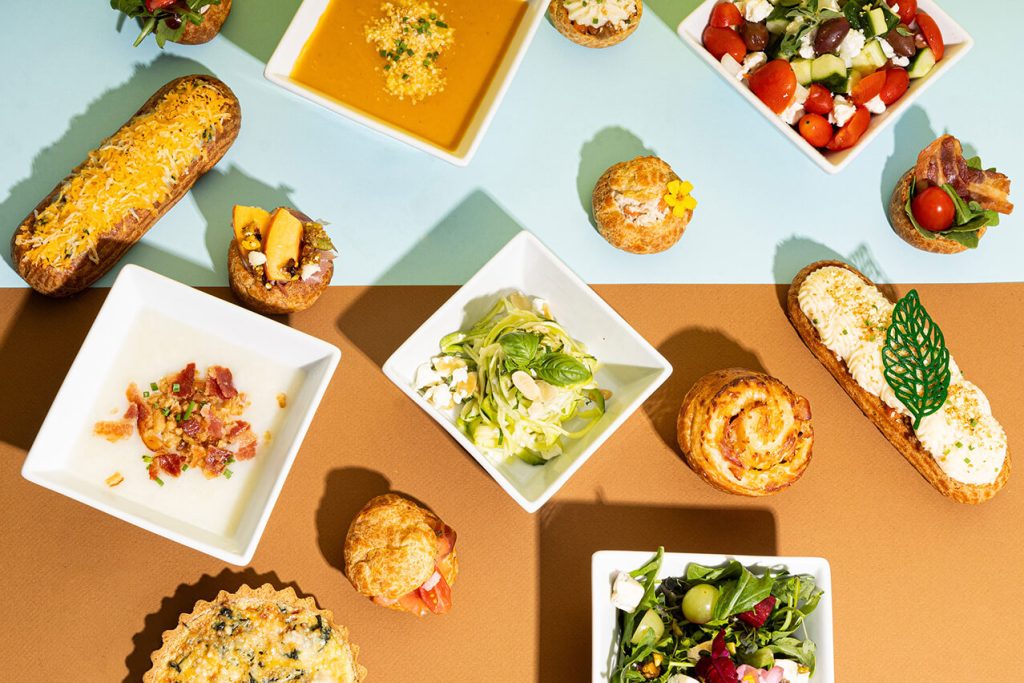
Our savory éclairs, an innovative complement to sweet offerings, showcase fillings like goat cheese and herbs, highlighting the versatility of choux pastry and our commitment to culinary creativity.
Éclair Affaire Weston: A Destination in South Florida
Our Place in the Community
Located at 1150 Weston Rd, Weston, FL, Éclair Affaire is more than a bakery; it’s a café and brunch destination where guests can revel in the romance of Parisian pâtisserie blended seamlessly with Miami’s vibrant energy. Whether you’re here for a quick coffee and éclair or a leisurely brunch lasting hours, we provide a welcoming space for all, including women-owned and LGBTQ+ communities.
Ordering and Enjoying
We serve Weston and nearby Sunrise, FL, with flexible options including dine-in, curbside pickup, and no-contact delivery—perfect for the busy South Florida lifestyle. Our handcrafted éclairs and choux specialties are baked fresh daily, ensuring you experience the genuine taste of French pastry artistry in every bite.
“Our dedication to authentic French technique and local adaptation has earned us 4.8 stars across Uber Eats and Google, a testament to the passion and precision in every éclair.”
Frequently Asked Questions About Choux Pastry
Below, we address common curiosities from our Weston guests and pastry enthusiasts alike.
Common Choux Pastry Mistakes and How to Avoid Them
Choux pastry, with its delicate balance of moisture and structure, can be as temperamental as it is delightful. Mastering it requires attention to detail and understanding its nuances to achieve that perfect, airy puff. Here are some common pitfalls to watch for, paired with tips to ensure success every time.
Over- or Under-Cooking the Dough
When cooking the flour-water-butter mixture, timing is critical. Undercooking leaves the dough too wet, causing it to collapse in the oven. Overcooking, however, results in a dry dough that won’t rise properly.
Egg Incorporation Errors
Adding eggs too quickly or using eggs that are too cold can break the dough’s consistency. Eggs should be incorporated one at a time, fully mixed before the next addition, and at room temperature to ensure smooth emulsification and correct texture.
Oven Temperature Problems
Oven temperature plays a starring role in choux pastry puffing. Too low, and the dough won’t rise; too high, and the outsides may brown prematurely, trapping moisture inside and causing collapse.
Common Mistakes to Avoid
- Skipping the drying phase: After initial baking at a higher temperature, lowering the heat to dry out the pastry is crucial to maintain crispness.
- Opening the oven door early: This disrupts the steam essential for puffing.
- Improper piping technique: Uneven size or shape can cause inconsistent baking and texture.
“Choux pastry is a dance of precision and patience, where every step shapes its airy elegance.”
Popular Choux Pastry Variations
At Éclair Affaire Weston, we celebrate the versatility of choux pastry beyond the classic éclair. Here are a few beloved variations that showcase its range:
Cream Puffs (Profiteroles)
These round, hollow delights are filled with luscious whipped cream or pastry cream and often crowned with chocolate ganache. Their lightness and creamy filling make them a timeless favorite.
Paris-Brest
Inspired by a cycling race, this ring-shaped pastry is filled with hazelnut praline cream, offering a nutty, rich contrast to the crisp choux shell.
Gougères (Savory Choux)
These cheesy, savory puffs incorporate grated cheese into the dough, perfect for an elegant brunch or appetizer. Their airy texture pairs beautifully with herb-infused dips or charcuterie.
Seasonal and Custom Creations
We delight in crafting seasonal éclairs and choux pastries, infusing flavors like tropical passion fruit, coconut, or local citrus, reflecting South Florida’s vibrant palate.
Each variation honors the choux’s fundamental qualities while inviting you to savor new sensory experiences — a true testament to French pastry craftsmanship fused with Miami’s spirited flavor.